King’s College London
Designing the first national NHS training pathway for diabetes distress
Learn Fox | E-learning Programme

Designing the first national NHS training pathway for diabetes distress
Learn Fox | E-learning Programme

Challenge:
Nearly half of adults with type 1 diabetes experience diabetes distress, but there’s no NHS treatment pathway and clinicians have limited training to address it

Solution:
Co-designed and built a full e-learning programme using our Curriculum Sprint methodology — learning design, content development, visual production, and platform build

Results:
Programme in clinical trial with national rollout planned
"Working with Nifty Fox is a real joy. The team are authentic, genuine and align with our own values. It was obvious from the beginning we were on the same page, the project exceeded expectations and I would definitely recommend Laura and the team. Co-creation worked really well too - we felt empowered!"
Rosie Walker - KCL Lead Nurse and Successful Diabetes
Diabetes distress — the emotional burden of managing a lifelong condition — affects nearly half of adults with type 1 diabetes. It impacts self-management, blood glucose levels, and quality of life. But there is currently no NHS treatment pathway to address it. Clinicians aren’t trained to recognise it, and there are no standardised tools to manage it. Patients are left without support for one of the most significant factors affecting their health outcomes.
The KCL D-Stress team had spent years building the evidence base. They knew what worked. But turning that evidence into something clinicians could learn from and apply in a 10-minute appointment — at national scale — required a fundamentally different kind of output than an academic paper or clinical guideline.
We ran our Curriculum Sprint with the D-Stress team, clinicians, NHS leaders, and people living with type 1 diabetes. We found that the training needed to change clinical behaviour, not just increase clinical knowledge. Most clinicians already knew diabetes distress existed, they just didn’t have the confidence, frameworks, or conversational tools to address it in practice.
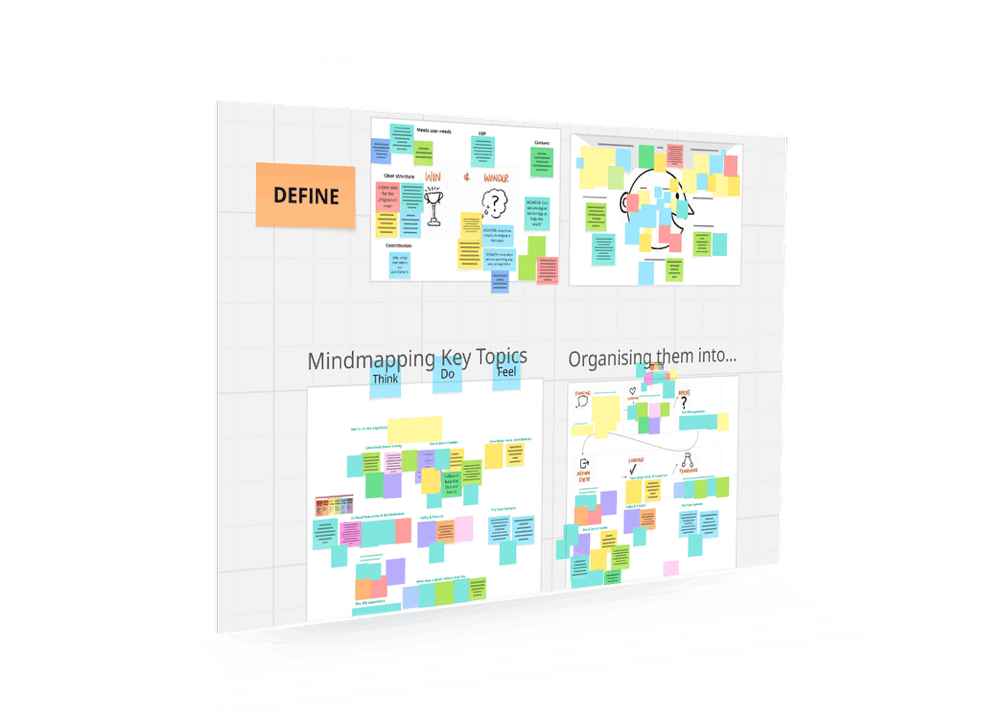
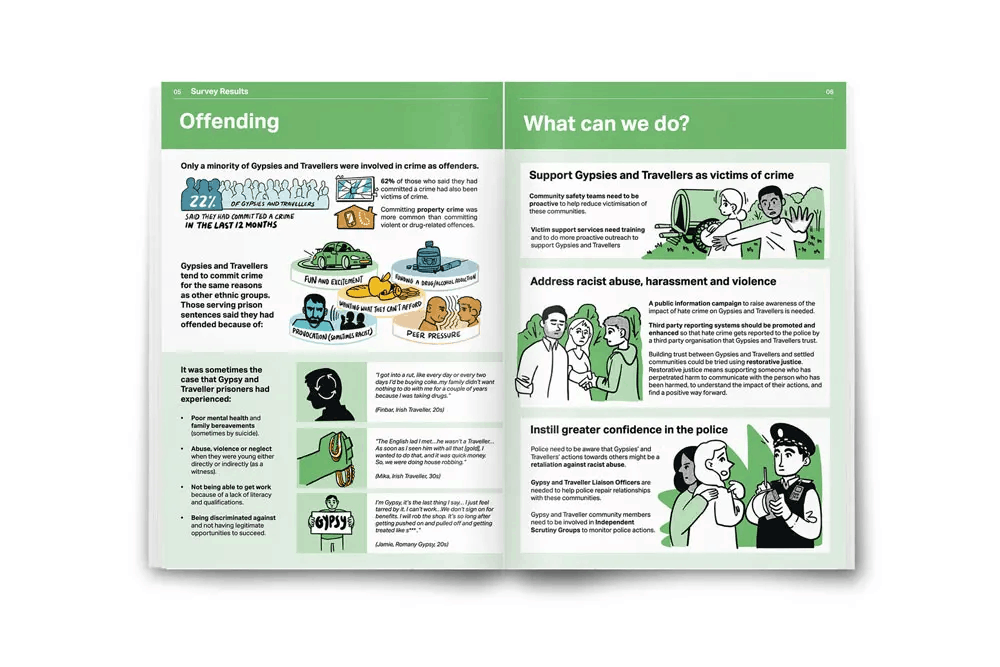
This distinction shaped the entire programme. We created an engaging, memorable and patient-centred visual identity that prioritised patient voice throughout. Every module was built around a practical skill or clinical scenario, not a topic to be learned about. Our learning designers restructured a large international evidence base into recognition tools, conversation guides, and decision frameworks — all written in accessible language, not academic or overly-clinical language. Scripts and narratives were designed to make key concepts memorable under the time pressure of real clinical settings. Every step of the way was co-produced with research and clinical partners, with feedback on content, learning design, visual approach, and user journey throughout.
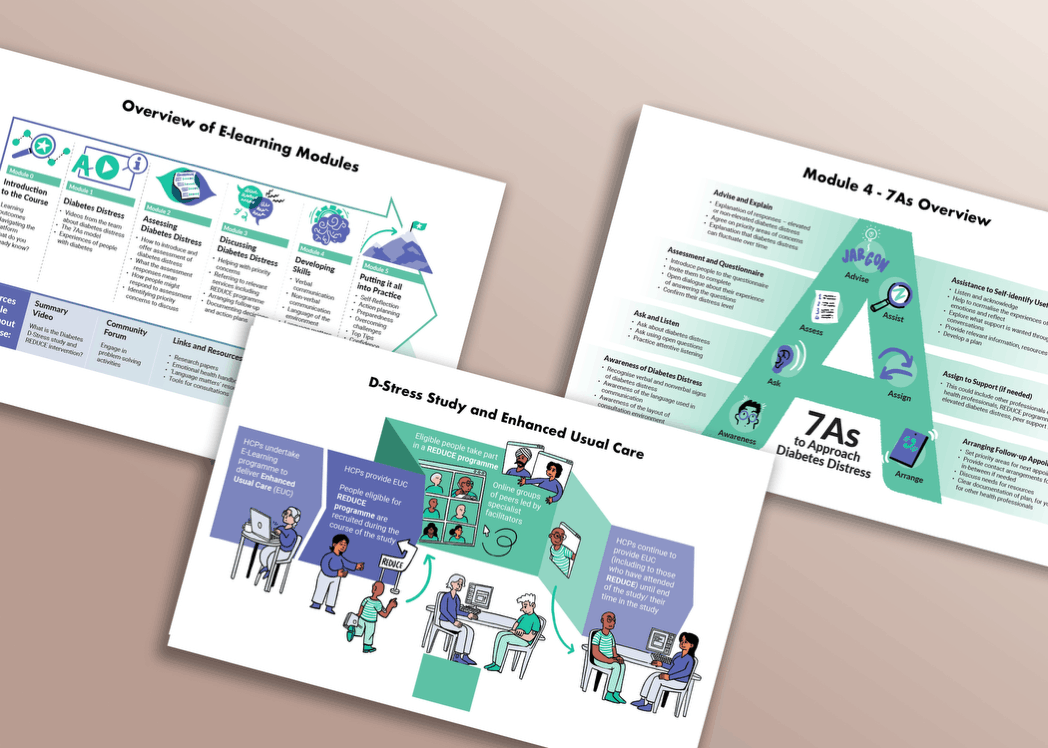
We produced animations, interactive case studies, and filmed patient stories to ground every module in the reality of living with diabetes distress. Interactive clinical role-plays allow learners to practise responding to distress in simulated consultations. Accompanying workbooks support reflection and application beyond the screen. The programme was designed to work within NHS constraints — quick to engage with, easy to share across teams, and structured for both individual learning and team development.
We built the programme on Thinkific with tracking designed to measure behaviour change indicators and learning outcomes, not just completion rates. We also trained the D-Stress team to manage the platform independently, so they can scale the rollout nationally after the clinical trial without ongoing dependency on us.
This programme has the potential to create the first structured training pathway for addressing diabetes distress within the NHS.
If you’ve built an evidence base that should be changing clinical practice but isn’t yet, the gap is usually between knowing and doing. Training that teaches information doesn’t close that gap. Training designed around behaviour change, built with the people who’ll use it, and measured against practice outcomes, does.
We design learning experiences that move practitioners from knowing to doing, for the long-term.