Loughborough University
Helping Loughborough Pain Scientists translate neuroscience into tools to support people with chronic pain improve their function.
Motion Fox | Storytelling Animation

Helping Loughborough Pain Scientists translate neuroscience into tools to support people with chronic pain improve their function.
Motion Fox | Storytelling Animation

Challenge:
People with chronic pain think that hurt means harm. But their brain might be overestimating the danger. How can we empower people in pain to understand their brain signals to improve their function and quality of life?

Solution:
Co-designed 3 animations to break pain neuroscience down into digestible concepts for people with pain to apply in their everyday life

Results:
Animations formed part of the dissemination of Loughborough’s Pain Illusions Toolkit, available for chronic pain patients nationwide
Chronic pain affects around 28 million adults in the UK, and one of the biggest barriers to better outcomes isn’t medical — it’s a misunderstanding of how the brain processes danger. Many people living with chronic pain believe that pain always signals damage. That belief is understandable but often inaccurate: in chronic pain conditions, the brain can overestimate danger, producing pain signals that don’t reflect actual tissue harm. This misunderstanding leads people to avoid movement, withdraw from daily activities, and experience worsening function and quality of life.
The neuroscience that explains this is well-established in research, but it’s locked in language and formats that most patients never encounter. Dr Roger Newport and his team at Loughborough had built the evidence base and developed a Pain Illusions Toolkit to help people reframe their relationship with pain signals through simple brain illusions that could be done at home. But the science and activities needed to reach patients directly, in a way that felt accessible and empowering rather than dismissive of their experience.
We identified that the core challenge was shifting a deeply held belief that pain always means damage. Next, was how to visualise and demonstrate pain illusion activities Roger and the team developed to demonstrate brain signals that don’t match reality. The Pain Illusions Toolkit uses simple activities people can do at home to demonstrate that the brain sometimes gets it wrong, like making your hands appear to melt, or convincing you that you have an extra finger. If the brain can be tricked about something as basic as how many fingers you have, it can also be overestimating how much danger your body is in.
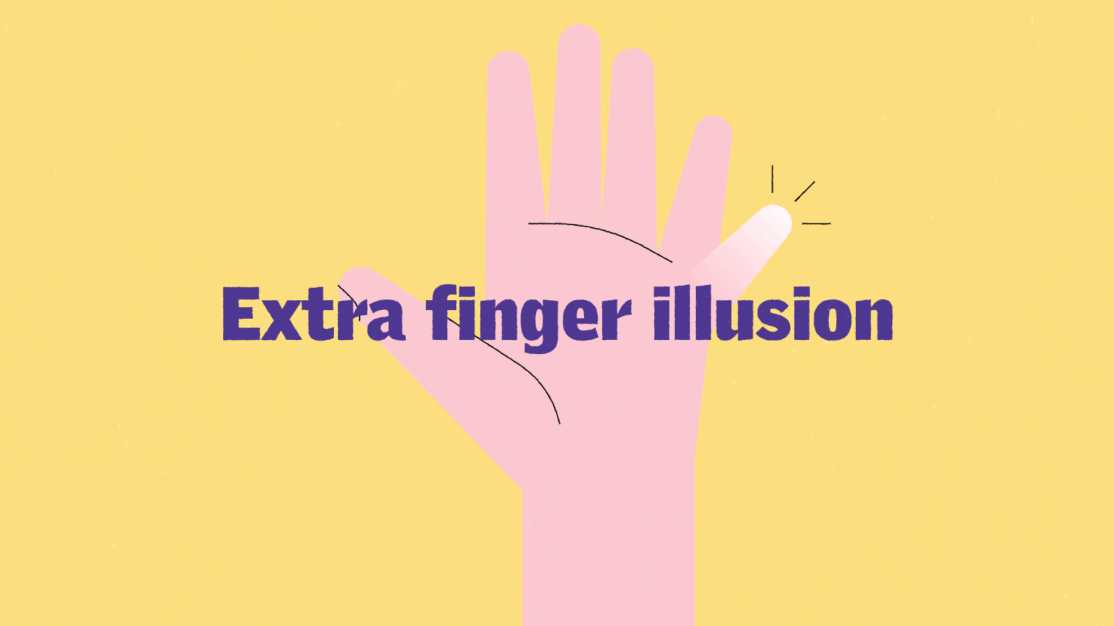
Each of the three animations leads with validation of the viewer’s experience before introducing the science, and focuses on what people can do rather than what’s “wrong” with their brain.
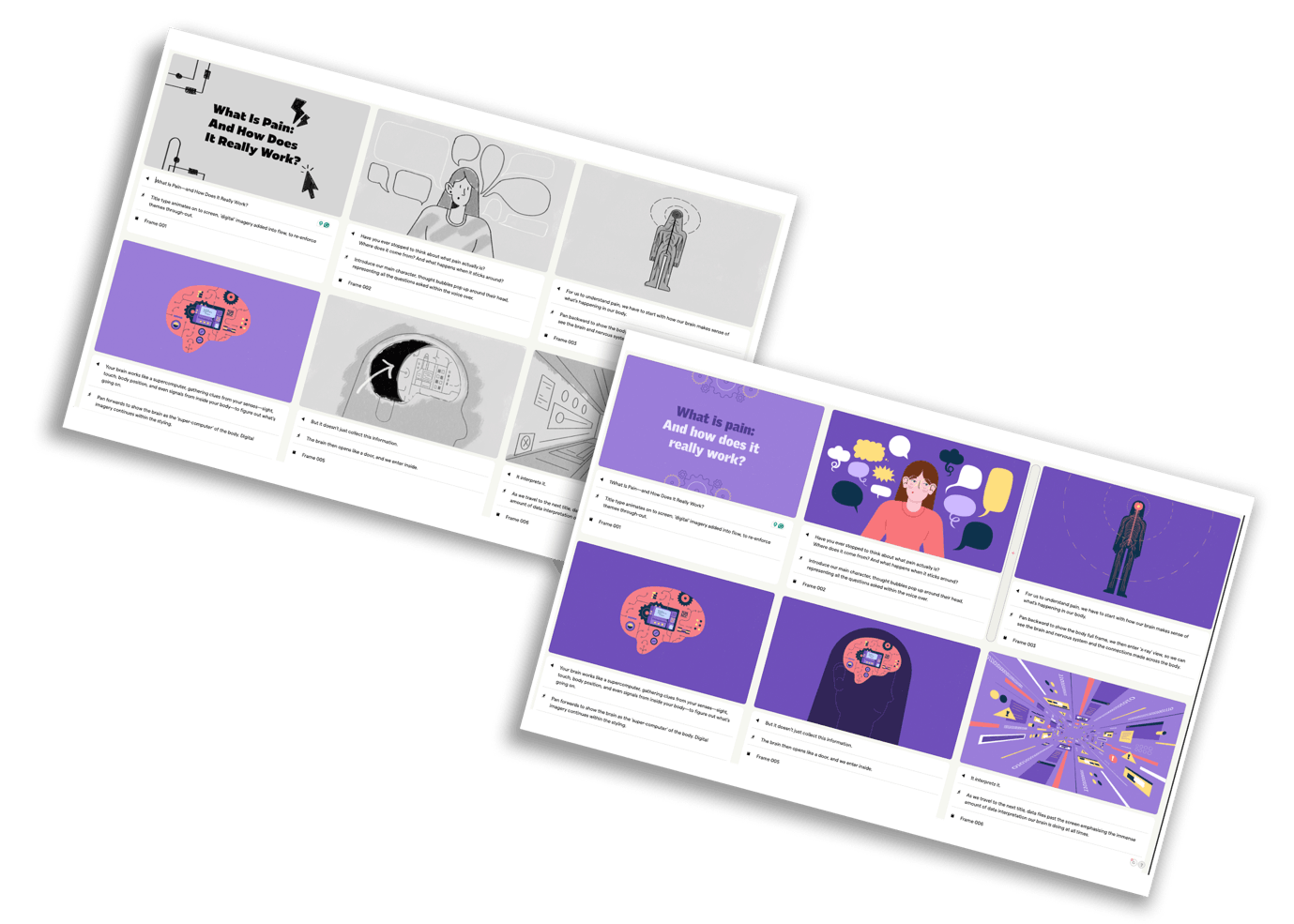
We chose animation to make brain processes tangible and understandable, respect the audience who may be fatigued, in pain, or dealing with brain fog, and bring the illusions to life and demonstrate the neuroscience behind them. This opened up a broader conversation about how the brain’s body signals affect people far beyond chronic pain, like body dysmorphia.

Each animation was co-designed with the research team to ensure scientific accuracy while maintaining the emotional tone that makes the content land. The result is three 3-minute animations that break pain neuroscience into concepts people can absorb, believe, and apply in their everyday lives through pain illusions.
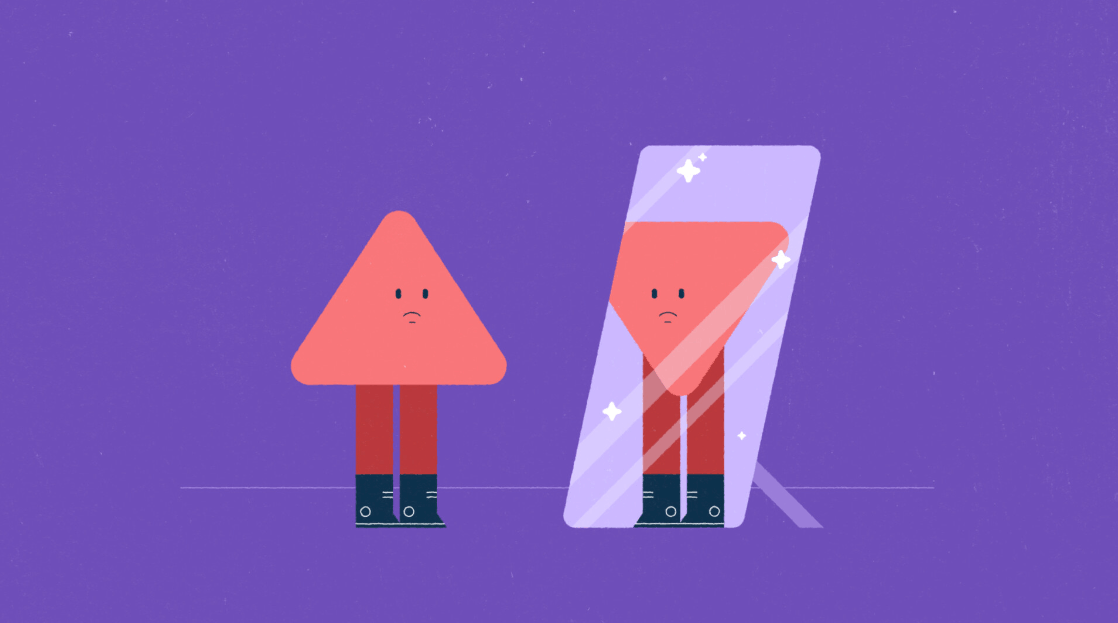
If your research challenges something your audience deeply believes about themselves — whether that’s how they experience pain, manage a condition, or understand their own body — facts alone won’t change minds. The communication needs to validate before it educates, and make the science feel like something that belongs to the person, not something being done to them.
We help you simplify the science, visualise it so it sticks, and change patient outcomes.