Wellcome Trust
Upskilling health researchers to do inclusive research well — by bringing scattered evidence into one usable toolkit
Story Fox | Toolkit & Research Translation

Upskilling health researchers to do inclusive research well — by bringing scattered evidence into one usable toolkit
Story Fox | Toolkit & Research Translation

Challenge:
Health researchers are expected to conduct inclusive, engaged research — but the evidence on how to do it well was scattered across multiple sources, making it hard to apply in practice

Solution:
Ran a discovery session with Wellcome, Equitable Health Futures, and health researchers to understand what the toolkit needed to do, then crafted copy, visual style, and modular structure to turn a vast evidence base into something usable

Results:
850 accesses, led to a follow-on commission to create a second toolkit for all researchers
Health researchers are increasingly expected to do engaged research. This is work that involves diverse communities meaningfully throughout the research process, rather than studying them from the outside. But there’s a gap between expectation and practice.
The evidence on how to do engaged research well exists. It’s been built up over years through academic papers, methodological guides, lived experience reports, and sector publications. But it’s scattered. A researcher trying to figure out how to run an inclusive focus group, build a community advisory board, or think about power dynamics in participant recruitment has to piece together information from dozens of sources — if they can find them at all.
The Wellcome Trust, working with Equitable Health Futures, wanted to close that gap. They had all the raw material: the evidence, the examples, the expert input. What they needed was help weaving it into something health researchers would use. A single resource that respected the complexity of the evidence base while being genuinely practical in day-to-day research work.
We started with a discovery session involving Wellcome, Equitable Health Futures, and health researchers themselves. We wanted to understand why engaged research mattered, what health researchers actually needed from a toolkit, what messages and tools were most important to share, and how success would be measured.
That discovery shaped the structure. A single monolithic document wouldn’t work — different researchers would come to the toolkit at different stages of their projects, with different questions. A PhD student planning a community study doesn’t need the same information as a senior researcher designing a large multi-site trial. So we built the toolkit to be modular.
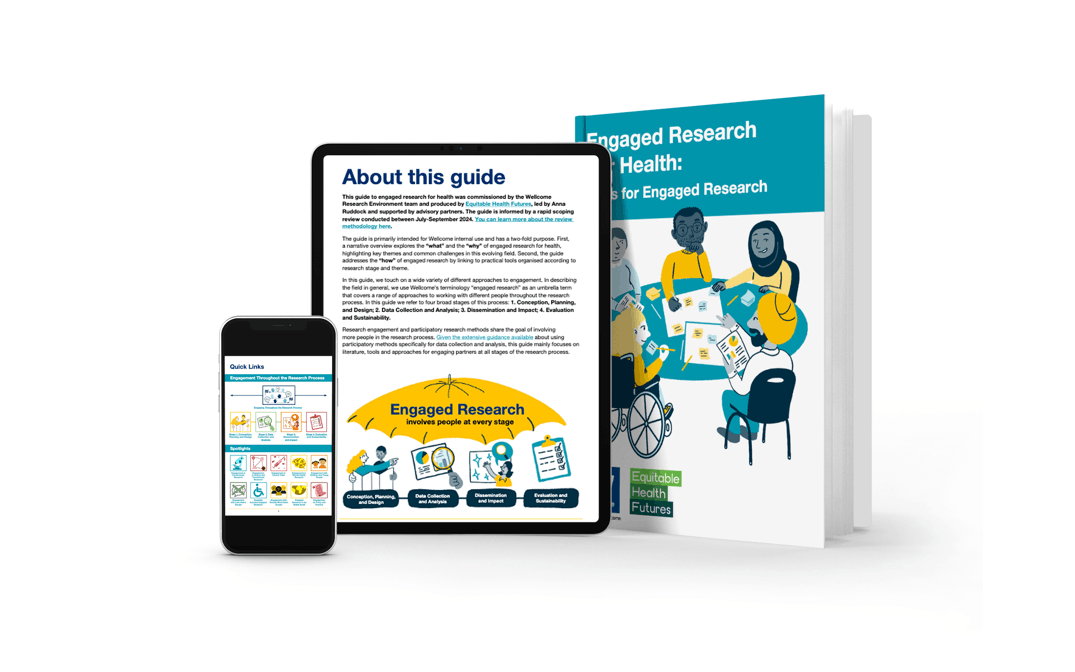
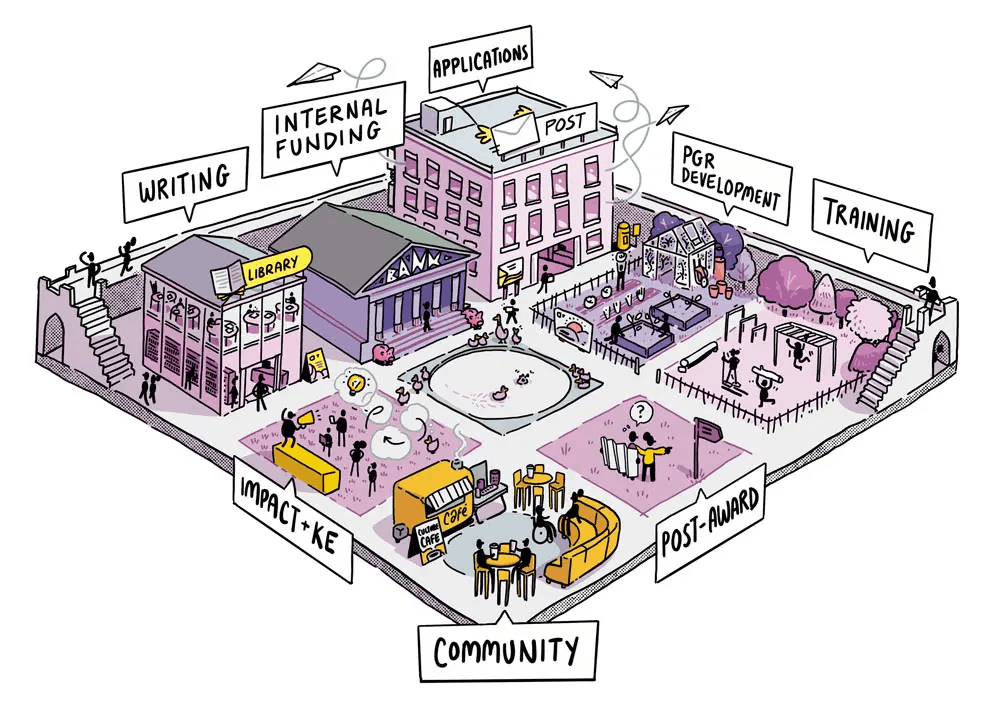
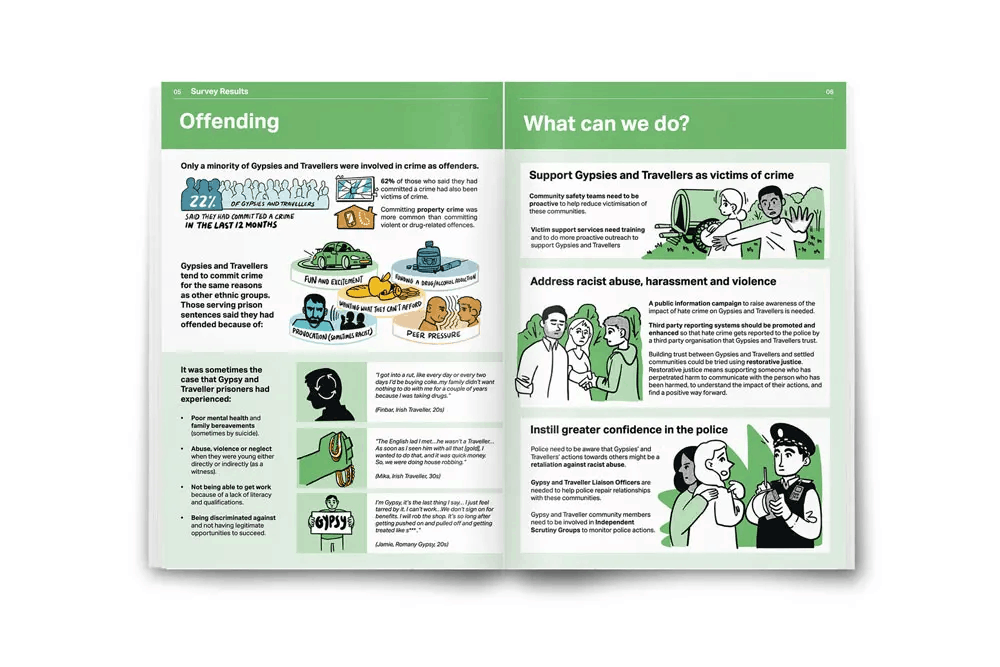
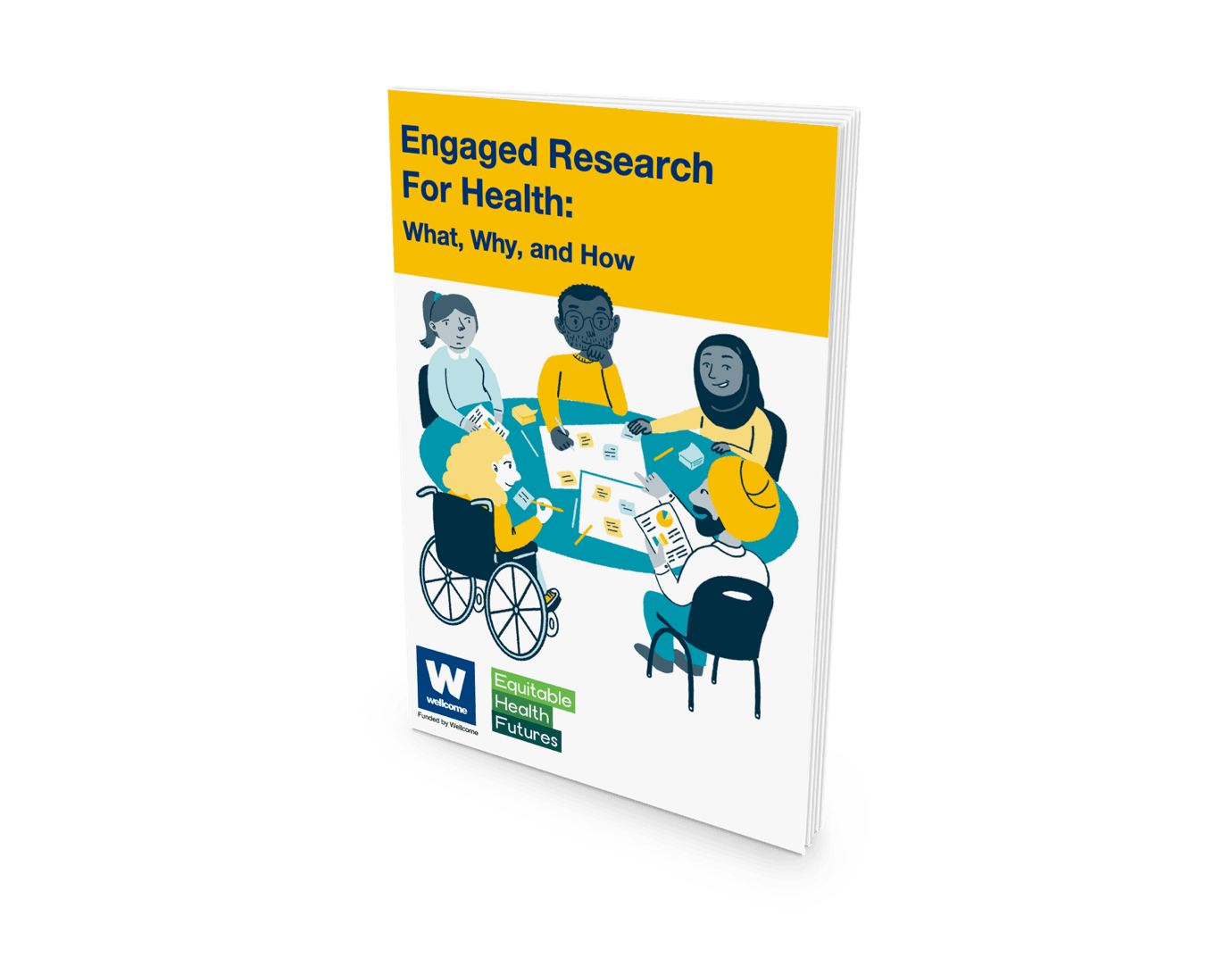
We designed a visual style aligned with Wellcome’s brand but distinctive enough to give the toolkit its own identity, and collated the vast evidence base into a step-by-step, ready-to-use format.
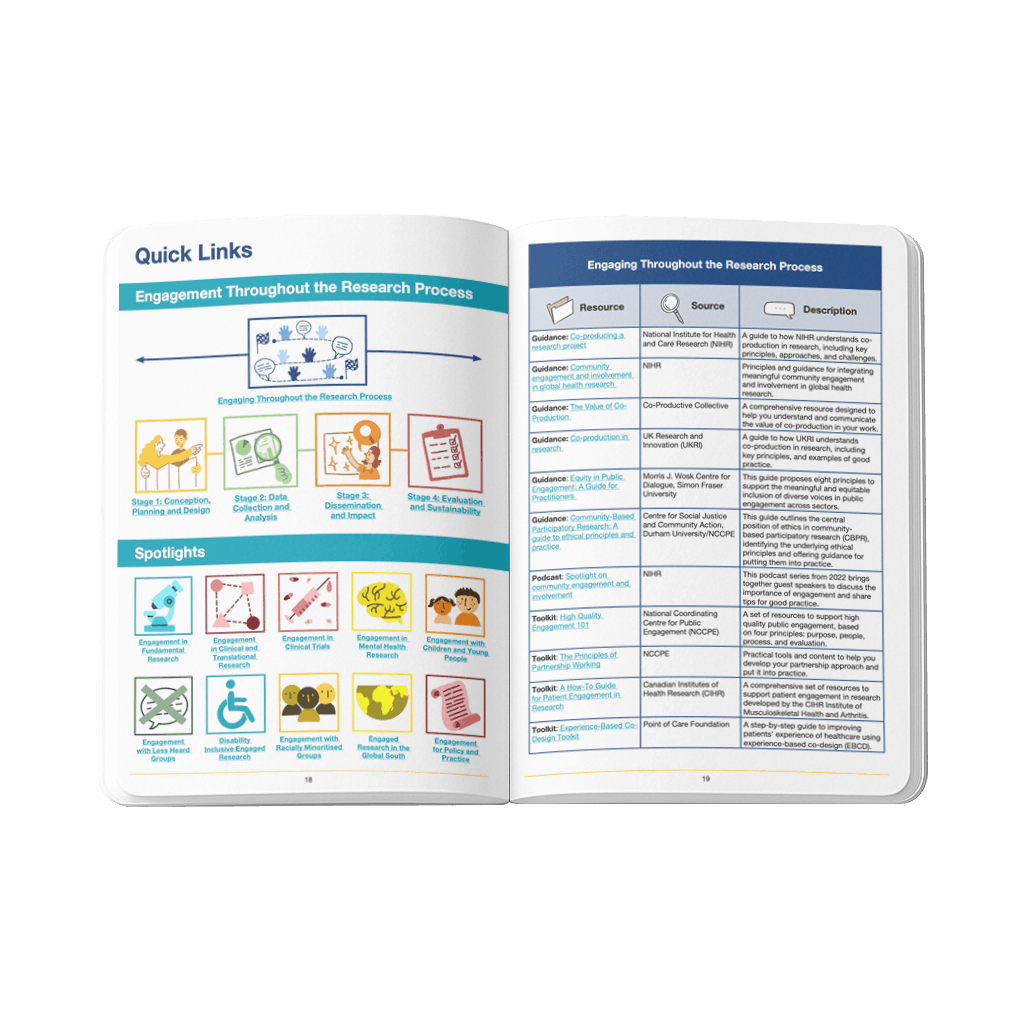
The modular approach meant researchers could access the full toolkit when they needed the whole picture, or pull out individual sections when they had a specific question. The key resource table — one of the most practically useful parts — was made available as a standalone download, so researchers could keep it to hand without wading through the full document each time.
The Engaged Research for Health toolkit has reached health researchers across the UK and internationally.
If you’re sitting on a large evidence base that researchers or practitioners should be using but aren’t, the problem is almost always structure and access, not the quality of the evidence itself. A well-designed modular toolkit turns scattered insight into something people can apply without having to read everything first. And when it works for one audience, it becomes the basis for adapting to others.
We help funders, research institutions, and programme teams condense evidence into modular, practical resources that work across disciplines.